Painting your walls is a fun way to refresh your home, but one of the hardest parts can be choosing the actual paint color. There is a lot to take into consideration outside of just liking the color, such as how it will look with your furniture and decor, if it will easily show dirt or scuffs, and how it will look as the lighting in the room changes.
Lighting can affect the way we perceive colors of clothing, objects, and even the paint on your walls. When choosing your paint colors, you want to consider how much natural light the room gets, and how the colors will look under artificial lighting. Just because you like a certain shade of blue doesn’t necessarily mean you will love it in your home, depending on the lighting in the area.
Sunlight
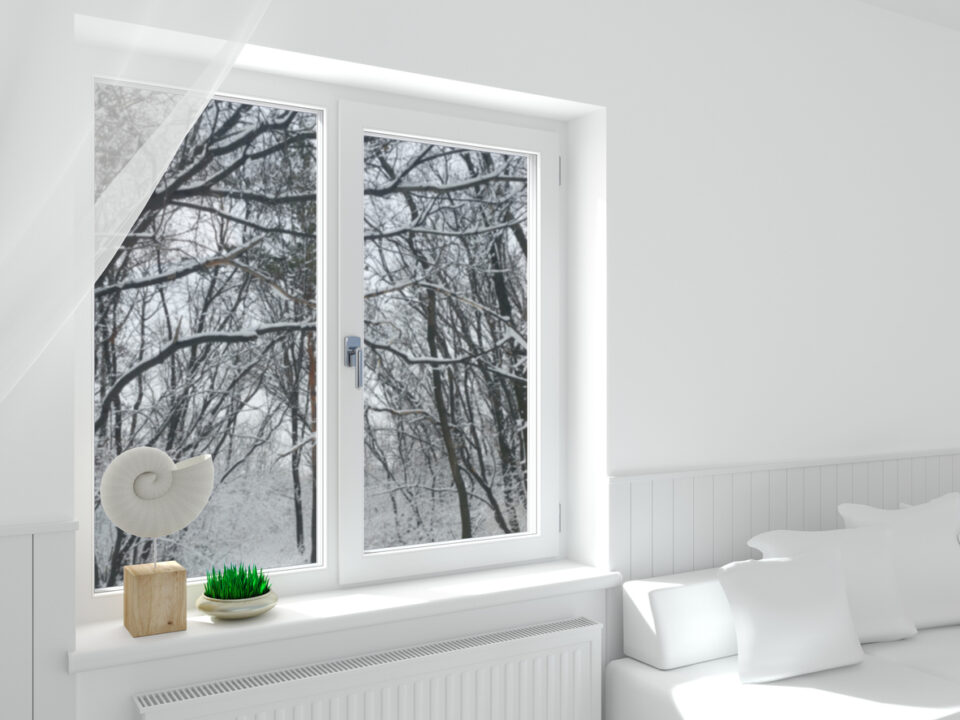
The location of the room you are painting in your home will determine how much sunlight is flooding in, and it is important to take this into consideration when choosing your paint color. Rooms with north facing windows don’t receive as much direct sunlight as rooms with south facing windows. The indirect sunlight will result in a more consistent, warm tone throughout the room which will cause your paint colors to show up as more muted and a little darker. South facing windows on the other hand provide the strongest direct sunlight throughout the day, and will brighten up darker colors, or cause whites to look more dull.
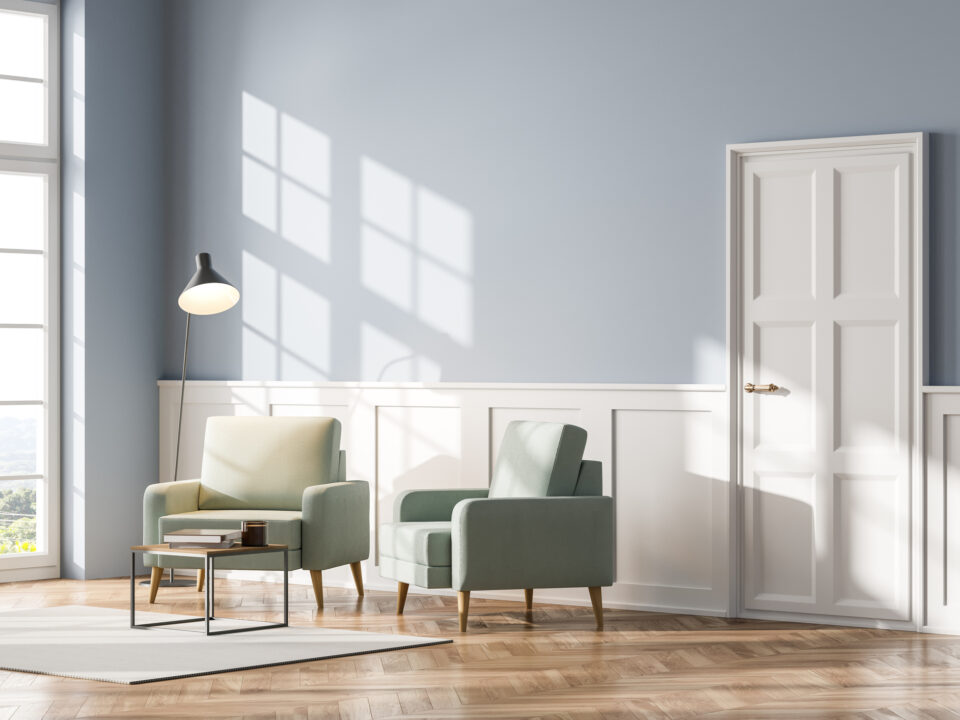
For your east or west facing rooms, you will get intense direct sunlight for only a portion of the day. East facing windows let in more morning light, but will be darker towards the late afternoon and evening. If you use a darker color in these rooms, remember that they may look brighter in the morning with the sunlight streaming in, but will appear darker as the sunlight fades in the afternoon.
West facing rooms will be the opposite. They will be darker in the morning as no direct sunlight will be coming in, but will have the rich golden tones of the sun flooding in during the late afternoon. This might make paint colors with red or yellow tones a little overwhelming.
Artificial Lighting
Now that you have the natural light in your home figured out, you need to consider the type and amount of artificial light you have in the rooms you are painting. The way your paint will show up under artificial light will depend on factors such as the lumens, watts, and light color of the bulbs you have in the room. These factors determine the amount of light and energy produced by the bulb, as well as the softness and color of the light being emitted.
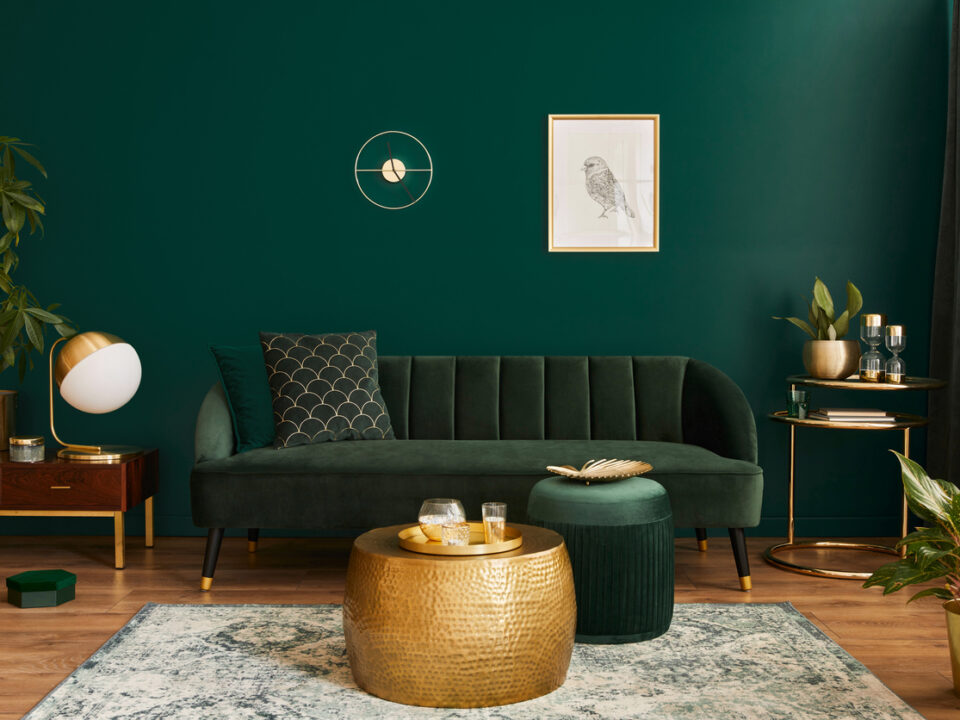
Standard soft white incandescent or LED lights bulbs provide warm, natural lighting. These types of bulbs are great for living rooms, bedrooms, or dens that you want to brighten up. They soften lighter blue/gray colors and intensify brighter colors such as reds, oranges, and yellows. Warm white or bright white bulbs are great for kitchens, workspaces, or bathrooms and work great with colors in the blue/green/gray family.
You will also want to keep in mind that the positioning of your lighting has an effect as well. Overhead lighting of any kind will brighten the entire room and disperse the light evenly throughout the room. These lights will typically be in areas that don’t receive as much natural light. If you want to add a little more light, but not completely brighten the room, you may choose floor or desk lamps. These types of light sources will not brighten your walls completely throughout the room, as they offer very targeted lighting.
Test It Out
It’s highly recommended that you always test your paint colors before fully committing. In the room that you are painting, you should paint a few swatches of any colors you are considering in areas of the room that receive light differently. For example, you want to paint some swatches that will be directly hit with the natural light that is coming through so you know how it will affect the color. Along with that, paint a swatch on a wall that may not be in the direct path of the natural light, as well as around the artificial light source in that room. This will give you a good idea of how your paint will look with the differing light sources.
It is suggested that you paint your swatches the night before so they have a chance to fully dry. This also allows you to be able to view the swatches throughout the day as the natural light changes. Think about the time of day this room will get the most use and what the paint color will look like at that time. Remember, you can always manipulate the lighting in the room to a certain degree to offset something you may not like.
U.S. Pro Painters Can Help
Getting professional help with your next paint project will take some of the pressure off! We will help guide you through the paint selection process and provide a high quality professional application. To get started, tell us a little more about your next project!